
The Phoenix median home price, currently around $350,000, reflects dynamic growth driven by population surge, local economy, and limited land. Neighborhood diversity offers varied price points, with central areas higher than suburbs. Lenders consider phoenix median home price for loan eligibility, requiring 20% down in hot spots. Borrowers should research trends, consult agents, and tailor decisions to financial profiles to meet borrower requirements and secure favorable terms in this competitive market.
Understanding the Phoenix Median Home Price is paramount for anyone navigating the local real estate market. This metric offers a crucial glimpse into affordability, trends, and overall value within one of the fastest-growing cities in the U.S. However, deciphering its complexities can be daunting. Many factors influence the Phoenix median home price, from economic fluctuations to demographic shifts, making it a moving target. In this article, we demystify this figure, providing an authoritative walkthrough that illuminates key drivers and offers valuable insights for buyers, sellers, and investors alike. By the end, you’ll grasp not only the current state of the Phoenix median home price but also its implications for the future.
Understanding Phoenix Real Estate Market Dynamics

The Phoenix real estate market has been a subject of fascination for investors and homebuyers alike due to its dynamic nature and consistent growth. When delving into the Phoenix median home price landscape, several key factors come into play that shape both the affordability and accessibility of properties in this vibrant city. Historically, Phoenix has experienced a surge in population, driven by economic opportunities and a desirable lifestyle, which has put upward pressure on housing costs. According to recent data, the area continues to outpace national averages in terms of home price appreciation, making it an attractive yet competitive market for borrowers.
Understanding these market dynamics is crucial for both first-time buyers and experienced investors. The Phoenix median home price has shown remarkable resilience and growth over the past decade, averaging around $350,000 as of recent reports. This figure serves as a benchmark for property values in the region and provides valuable insights into borrower requirements. For instance, securing a mortgage with a LTV (Loan-to-Value) ratio up to 80% or even higher is feasible given the current market conditions, allowing borrowers to take advantage of competitive interest rates and favorable lending terms. However, this also underscores the importance of maintaining strong credit scores and stable financial histories to gain access to these financing options.
The Phoenix real estate market’s diversity further complicates—and ultimately enriches—the landscape for homebuyers. Different neighborhoods offer varying price points, with some areas experiencing rapid gentrification and consequent price spikes while others maintain more affordable median home prices. For instance, the downtown core and surrounding urban centers tend to attract higher property values due to their proximity to amenities, while suburban communities often present more budget-friendly options. Expert advice suggests that prospective buyers conduct thorough research, engage with local real estate agents, and stay abreast of market trends to make informed decisions regarding Phoenix median home prices and borrower requirements tailored to their financial profiles.
Factors Influencing Median Home Price in Phoenix
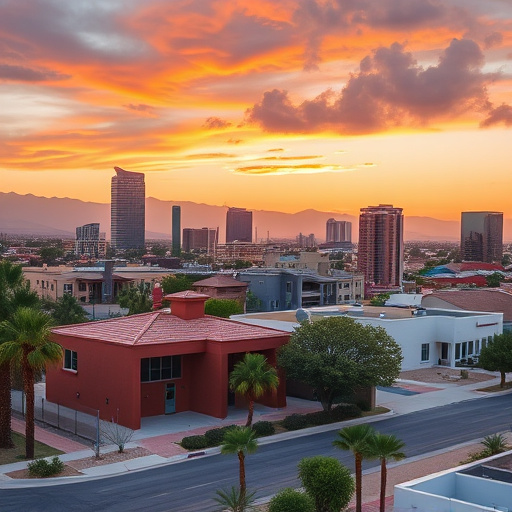
The Phoenix median home price has been a subject of interest for both residents and prospective buyers due to its consistent growth over recent years. Several factors play a crucial role in determining this price point, offering valuable insights into the local real estate market. One primary influencer is the demand-supply dynamic; Phoenix’s steady population growth and limited land availability drive up property values. This urban center has seen a significant influx of residents seeking affordable housing options, creating a high demand for homes, especially in sought-after neighborhoods.
Another critical aspect is the city’s economic health. Phoenix’s vibrant economy, with diverse sectors like technology, healthcare, and tourism contributing to low unemployment rates, directly impacts borrowing power. This financial stability encourages both first-time buyers and investors to enter the market, further influencing price points. For instance, the strong local job market has led to increased disposable income, allowing more individuals to consider purchasing homes, which in turn can drive up median prices.
Borrower requirements also significantly affect the phoenix median home price. Lenders typically assess creditworthiness, down payment capabilities, and debt-to-income ratios when approving mortgages. As Phoenix’s real estate market becomes more competitive, lenders may implement stricter borrower requirements, potentially limiting purchasing power for some. This, in turn, could create a two-way effect: it might slow down demand, thus stabilizing or even lowering the phoenix median home price, while simultaneously attracting borrowers with stronger financial positions seeking opportunities in a robust real estate market.
Historical Trend Analysis: Phoenix Median Home Prices

The Phoenix median home price has experienced significant fluctuations over the past decade, mirroring national housing trends but with unique local dynamics. Historically, Phoenix has been known for its affordable housing options compared to many other major US cities, making it an attractive market for both buyers and investors. According to data from the Phoenix Metropolitan Area (PMA), the median home price reached a low of $147,000 in 2010 during the Great Recession, providing an entry point for many first-time homebuyers. However, this affordability was short-lived as prices began to climb steadily thereafter.
Between 2015 and 2020, the Phoenix median home price saw a rapid increase, reaching a peak of nearly $300,000. This surge can be attributed to several factors, including robust job growth in various sectors such as healthcare, technology, and real estate, driving population influx and demand for housing. Additionally, low-interest rates during this period encouraged borrowing, with many Phoenix residents taking advantage of favorable borrower requirements to secure mortgages multiple times their income levels. This trend significantly boosted the local real estate market, making Phoenix one of the fastest-growing housing markets in the nation.
However, the 2020s brought new challenges and a shift in dynamics. The COVID-19 pandemic impacted global economies, including the Phoenix real estate market. Prices experienced a slight dip in early 2020 as potential buyers hesitated, but they quickly rebounded due to increased remote work opportunities that kept demand high. As of recent data, the Phoenix median home price has stabilized around $350,000, reflecting a more balanced market. Borrower requirements have also evolved, with lenders adopting stricter criteria post-pandemic, encouraging responsible borrowing and ensuring long-term financial stability for both lenders and borrowers. Understanding these historical trends is crucial for both prospective buyers and investors navigating the Phoenix real estate landscape, as it provides insights into potential price movements and borrower requirements in this dynamic market.
Neighborhood Variations: Exploring Local Price Differences

The Phoenix median home price has been a topic of interest for both residents and prospective borrowers, with significant variations observed across different neighborhoods. Understanding these local differences is crucial for anyone navigating the Phoenix real estate market, especially when considering the phoenix median home price borrower requirements. According to recent data, the median home value in Phoenix ranges from approximately $250,000 to over $400,000, depending on factors such as location, property type, and market conditions. For instance, areas like Central Phoenix and downtown neighborhoods tend to command higher prices due to their proximity to amenities, employment hubs, and the vibrant urban lifestyle they offer. In contrast, suburbs or more remote locations may present more affordable options, with median home prices dropping by tens of thousands of dollars.
These neighborhood variations significantly impact borrower requirements. Lenders often consider the phoenix median home price as a benchmark when assessing loan eligibility and interest rates. Borrowers seeking financing in high-price areas might need to demonstrate stronger creditworthiness and provide larger down payments compared to those buying in more affordable neighborhoods. For example, a buyer in Central Phoenix may be required to have a higher credit score, potentially above 740, and a substantial down payment of 20% or more to secure favorable loan terms. In contrast, borrowers in suburban areas might qualify for similar loans with slightly lower requirements, taking advantage of the generally lower phoenix median home price.
To make informed decisions, prospective buyers should thoroughly research local real estate trends and consult with mortgage specialists who understand these nuances. Analyzing neighborhood data, including median income, unemployment rates, and property appreciation history, can provide valuable insights into the phoenix median home price dynamics. This strategic approach ensures that borrowers secure the best possible financing options tailored to their specific location and financial standing.
Key Statistics and Insights on Phoenix Housing Affordability
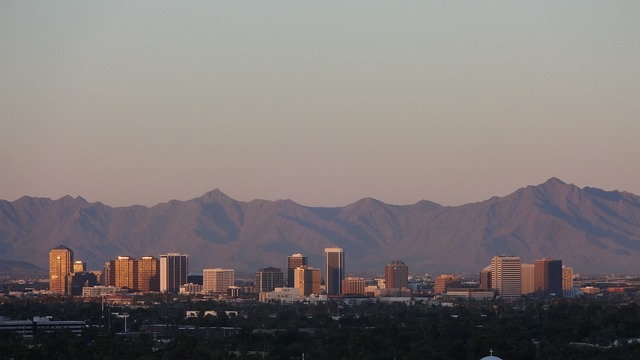
The Phoenix real estate market has long been recognized for its unique dynamics, particularly when it comes to housing affordability. A critical indicator in this discussion is the phoenix median home price, which provides a snapshot of the typical home value in the area. According to recent data, the median home price in Phoenix hovers around $350,000, representing a significant increase from previous years. This surge highlights the changing landscape of affordability for both prospective buyers and investors. The phoenix median home price is not just a number; it’s a barometer that influences borrower requirements and financial strategies.
Understanding this metric requires delving into key insights. Firstly, the price growth has been uneven across various neighborhoods, with some areas experiencing rapid appreciation while others remain more accessible. This heterogeneity affects phoenix median home price borrower requirements as lenders consider location-specific factors in assessing risk and setting interest rates. For instance, homes in rapidly developing suburban areas might command higher prices, requiring borrowers to demonstrate stronger financial capabilities. On the other hand, established urban neighborhoods may offer more affordable options, making it easier for buyers to enter the market with slightly lower down payments.
Additionally, demographic trends play a pivotal role in shaping housing affordability. Phoenix’s growing population and diverse economic opportunities have attracted a young workforce, contributing to increased demand for housing. As a result, developers have been quick to respond, leading to a surge in new construction projects. These developments can help stabilize the phoenix median home price by providing more options at various price points. Borrowers should stay informed about market trends and work closely with lenders who understand the local dynamics, ensuring they secure favorable terms tailored to the specific phoenix median home price borrower requirements of their chosen neighborhood.
Future Projections for Phoenix Median Home Price

The future projections for Phoenix median home price are an intriguing aspect to monitor in the dynamic real estate market of Arizona. Historically, Phoenix has experienced significant growth, with its median home price rising steadily over the years. According to recent data, the area has seen a consistent upward trend, attracting both local buyers and out-of-state investors. This growth is attributed to various factors, including robust employment opportunities, affordable living, and a high quality of life.
When considering Phoenix median home price borrower requirements, it’s essential for prospective buyers to understand that the market demands a strong financial foundation. Lenders often require a minimum down payment of 20% for properties in this region, given the increasing property values. This trend is particularly notable in hot spots like downtown Phoenix and surrounding suburbs, where the competitive nature of the market pushes prices higher. As the city continues to develop, with new urban projects and an expanding economy, experts predict that the phoenix median home price will maintain its upward trajectory.
However, it’s crucial for borrowers to approach this market with careful consideration. The phoenix median home price borrower requirements may vary based on individual circumstances, so a thorough financial assessment is imperative. By evaluating their budget, savings, and creditworthiness, potential buyers can make informed decisions. With the right preparation and understanding of current trends, individuals can navigate this thriving real estate landscape successfully, ensuring they secure favorable loan terms and acquire properties at competitive phoenix median home prices.